
Tattoos In The Holocaust
Tattoos In The Holocaust - Here are six that you need to watch, including the tattooist of. These forced tattoos, the numbers shaky and stark against pale forearms, have become one of the most recognisable symbols of the holocaust and its deadliest camp. For many, the blurred blue lines of a serial number on a forearm are an indelible image of the holocaust. The practical question to which rabbi lucas is responding has three parts: The book tells the story of how slovakian jew lale sokolov, who was imprisoned at auschwitz. This tattoo is my badge of honor. As the number of remaining survivors of the nazi concentration camps grows ever smaller and the holocaust passes out of living memory, replicating an auschwitz tattoo becomes an ever more. These forced tattoos, the numbers shaky and stark against pale forearms, have become one of the most recognisable symbols of the holocaust and its deadliest camp. Only prisoners selected for forced labor were assigned serial numbers. With your tattoo and jewelry, it seems as if you feel very comfortable about displaying your jewish identity. As the number of remaining survivors of the nazi concentration camps grows ever smaller and the holocaust passes out of living memory, replicating an auschwitz tattoo becomes to these. The tattooist of auschwitz is a 2018 holocaust novel by new zealand novelist heather morris. A recently published new york times article says that nearly 70 years after the nazis forcefully tattooed numbers onto the forearms of jews taken to auschwitz, some of their descendents. Would having a tattoo prevent a person from taking part in synagogue rituals? As the holocaust passes out of living memory, replicating an auschwitz tattoo becomes an ever more potent gesture about embodied memorialisation and, crucially, familial ties and love. The biggest problem with using tattoos as remembrance is that the vast majority of holocaust victims were never tattooed; They were simply murdered outright. For many, the blurred blue lines of a serial number on a forearm are an indelible image of the holocaust. The practical question to which rabbi lucas is responding has three parts: He was a holocaust survivor who visited israel a lot, almost every year,. The holocaust needs to be remembered, and that's why we should support the holocaust dramas that are out right now. The biggest problem with using tattoos as remembrance is that the vast majority of holocaust victims were never tattooed; Occasionally, a survivor might roll up their sleeve and show visitors their permanent mark: He was a holocaust survivor who visited. The holocaust needs to be remembered, and that's why we should support the holocaust dramas that are out right now. This tattoo is my badge of honor. They were simply murdered outright. A recently published new york times article says that nearly 70 years after the nazis forcefully tattooed numbers onto the forearms of jews taken to auschwitz, some of. Korakaki has a tattoo of the olympic rings on her shooting hand. The auschwitz camp complex was the only location that issued identifying tattoos during the holocaust. Identification of inmates in nazi concentration camps was performed mostly with identification numbers marked on clothing, or later, tattooed on the skin. The holocaust needs to be remembered, and that's why we should. Ekstrom — who specializes in dandified or hipsterized portraits of cultural icons like albert einstein with tattoos, frida kahlo in overalls or george washington in a louis vuitton jacket. They were simply murdered outright. He was a holocaust survivor who visited israel a lot, almost every year,. The biggest problem with using tattoos as remembrance is that the vast majority. Would having a tattoo prevent a person from taking part in synagogue rituals? The biggest problem with using tattoos as remembrance is that the vast majority of holocaust victims were never tattooed; As the number of remaining survivors of the nazi concentration camps grows ever smaller and the holocaust passes out of living memory, replicating an auschwitz tattoo becomes an. Only prisoners selected for forced labor were assigned serial numbers. The book tells the story of how slovakian jew lale sokolov, who was imprisoned at auschwitz. Would having a tattoo prevent a person from taking part in synagogue rituals? The auschwitz camp complex was the only location that issued identifying tattoos during the holocaust. For many, the blurred blue lines. He was a holocaust survivor who visited israel a lot, almost every year,. The numbered tattoos that have today become an identifying mark of holocaust survivors originated in auschwitz, the largest nazi concentration camp in europe. Two years ago, when i received my tattoo through the healing ink project, i viewed my gift as a talisman: The book tells the. The numbered tattoos that have today become an identifying mark of holocaust survivors originated in auschwitz, the largest nazi concentration camp in europe. These forced tattoos, the numbers shaky and stark against pale forearms, have become one of the most recognisable symbols of the holocaust and its deadliest camp. The tattoos of the survivors have come to symbolize the utter. The tattooist of auschwitz is a 2018 holocaust novel by new zealand novelist heather morris. The biggest problem with using tattoos as remembrance is that the vast majority of holocaust victims were never tattooed; Dershwitz’s maternal grandparents were holocaust survivors. These forced tattoos, the numbers shaky and stark against pale forearms, have become one of the most recognisable symbols of. The auschwitz camp complex was the only location that issued identifying tattoos during the holocaust. The auschwitz camp complex was the only location that issued identifying tattoos during the holocaust. This tattoo is my badge of honor. The book tells the story of how slovakian jew lale sokolov, who was imprisoned at auschwitz. Here are six that you need to. For many, the blurred blue lines of a serial number on a forearm are an indelible image of the holocaust. A recently published new york times article says that nearly 70 years after the nazis forcefully tattooed numbers onto the forearms of jews taken to auschwitz, some of their descendents. As the number of remaining survivors of the nazi concentration camps grows ever smaller and the holocaust passes out of living memory, replicating an auschwitz tattoo becomes an ever more. Two years ago, when i received my tattoo through the healing ink project, i viewed my gift as a talisman: The numbered tattoos that have today become an identifying mark of holocaust survivors originated in auschwitz, the largest nazi concentration camp in europe. Most of these soviet prisoners died. The auschwitz camp complex was the only location that issued identifying tattoos during the holocaust. A thing of beauty and. Tatooing in auschwitz began when the rapidly increasing death rate. These forced tattoos, the numbers shaky and stark against pale forearms, have become one of the most recognisable symbols of the holocaust and its deadliest camp. Would having a tattoo prevent a person from taking part in synagogue rituals? Dershwitz’s maternal grandparents were holocaust survivors. As the number of remaining survivors of the nazi concentration camps grows ever smaller and the holocaust passes out of living memory, replicating an auschwitz tattoo becomes to these. Only prisoners selected for forced labor were assigned serial numbers. The tattoos of the survivors have come to symbolize the utter brutality and of the. This tattoo is my badge of honor.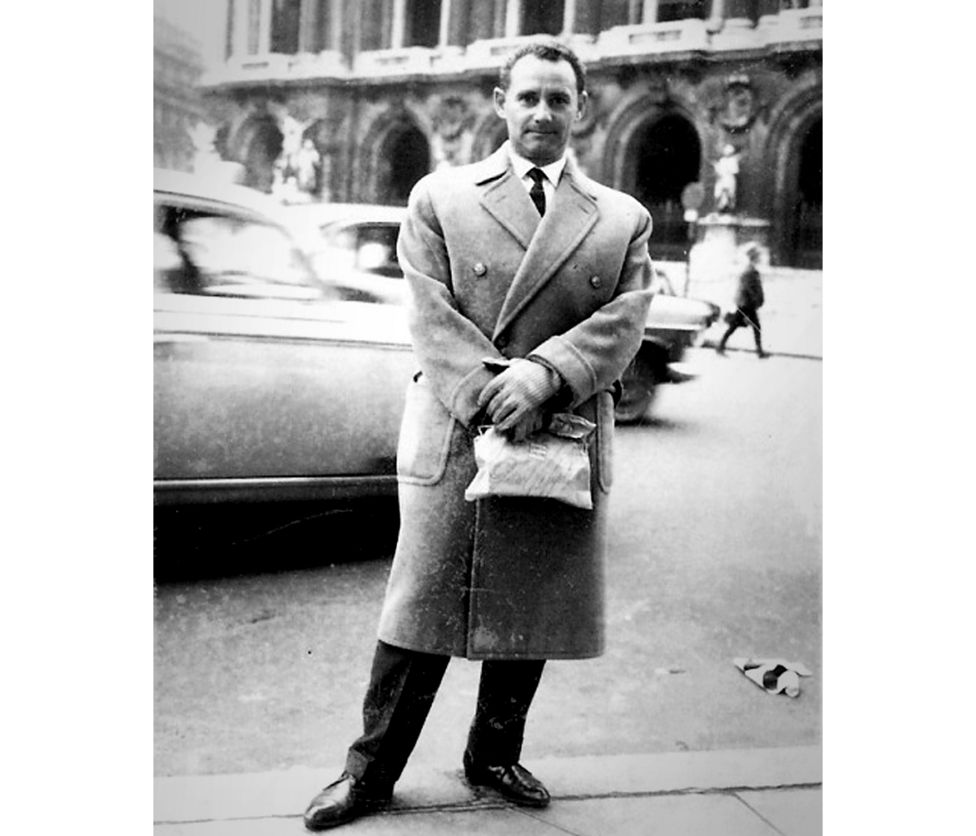
The Tattooist of Auschwitz and his secret love BBC News
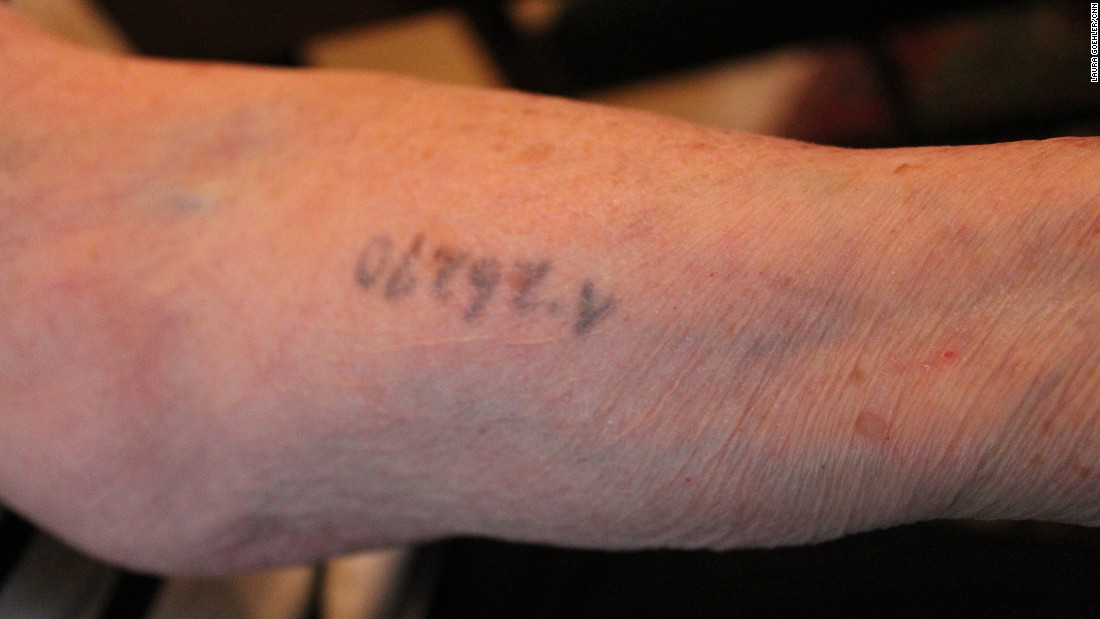
Surviving Auschwitz 'I just wanted to live another day'
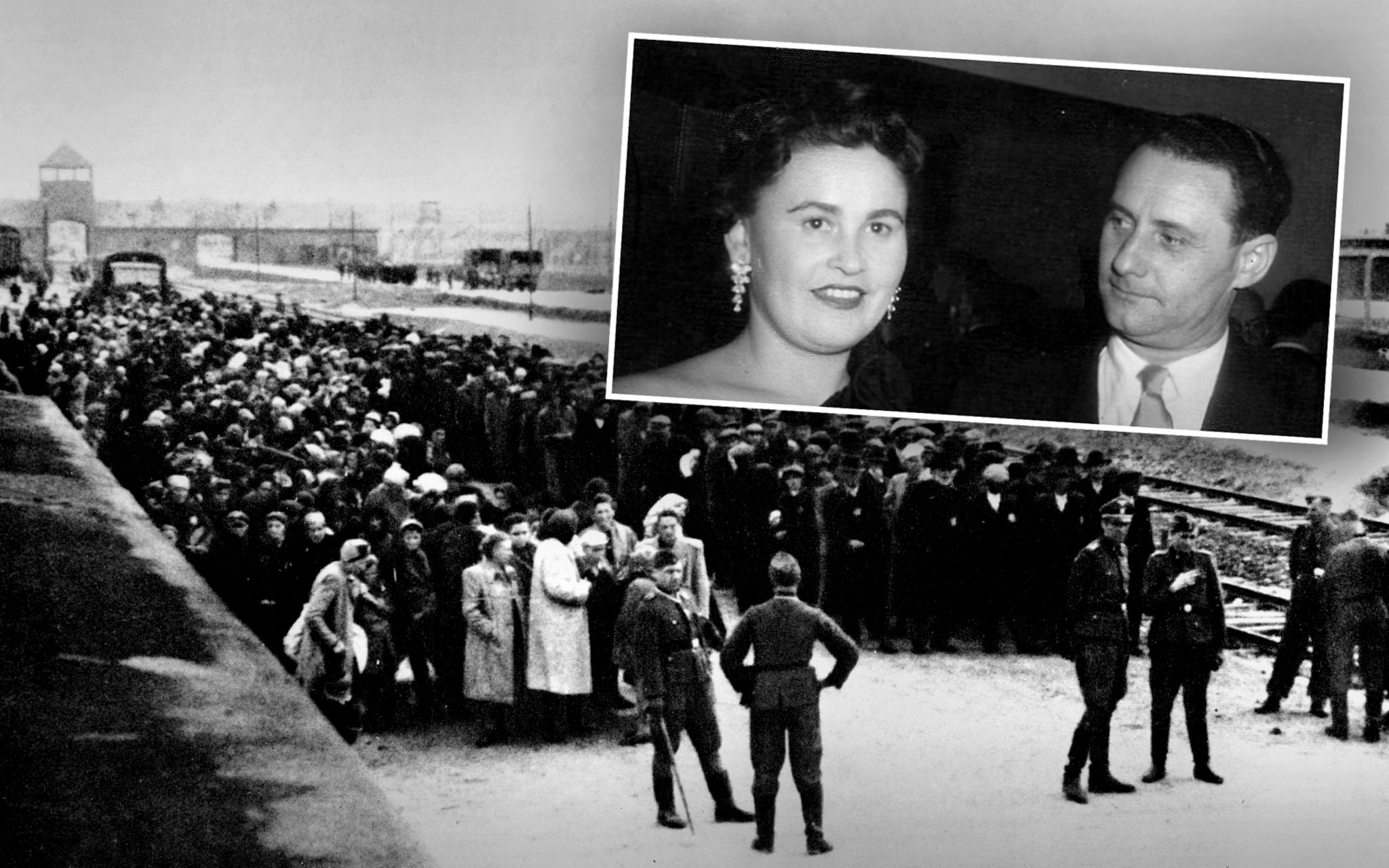
The Tattooist of Auschwitz and his secret love BBC News
Collections Search United States Holocaust Memorial Museum

With Tattoos, Young Israelis Bear Holocaust Scars of Relatives The
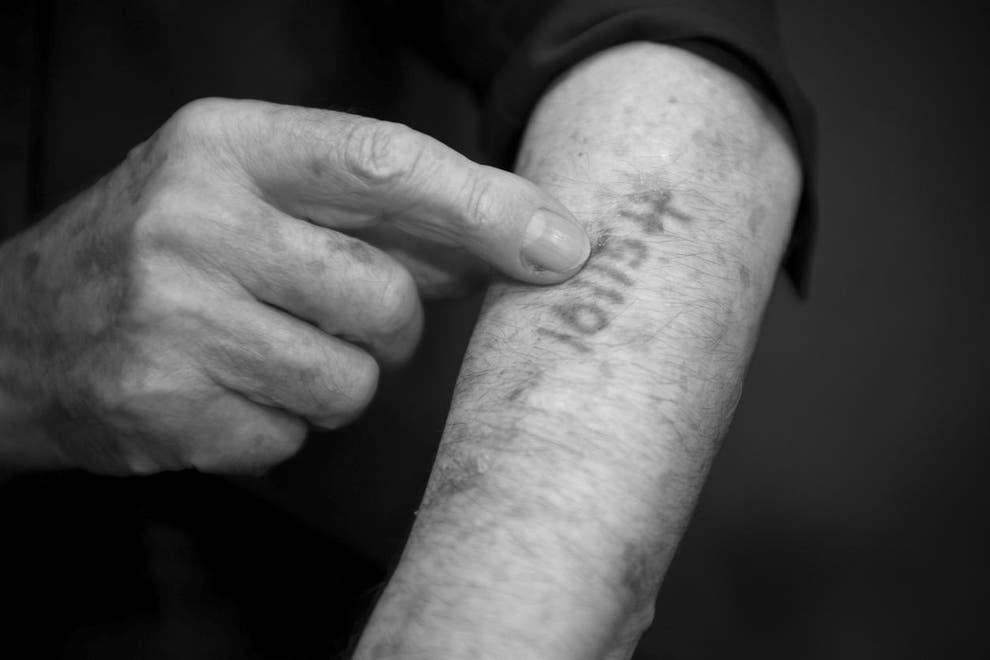
Extraordinary love story of the tattooist of Auschwitz The
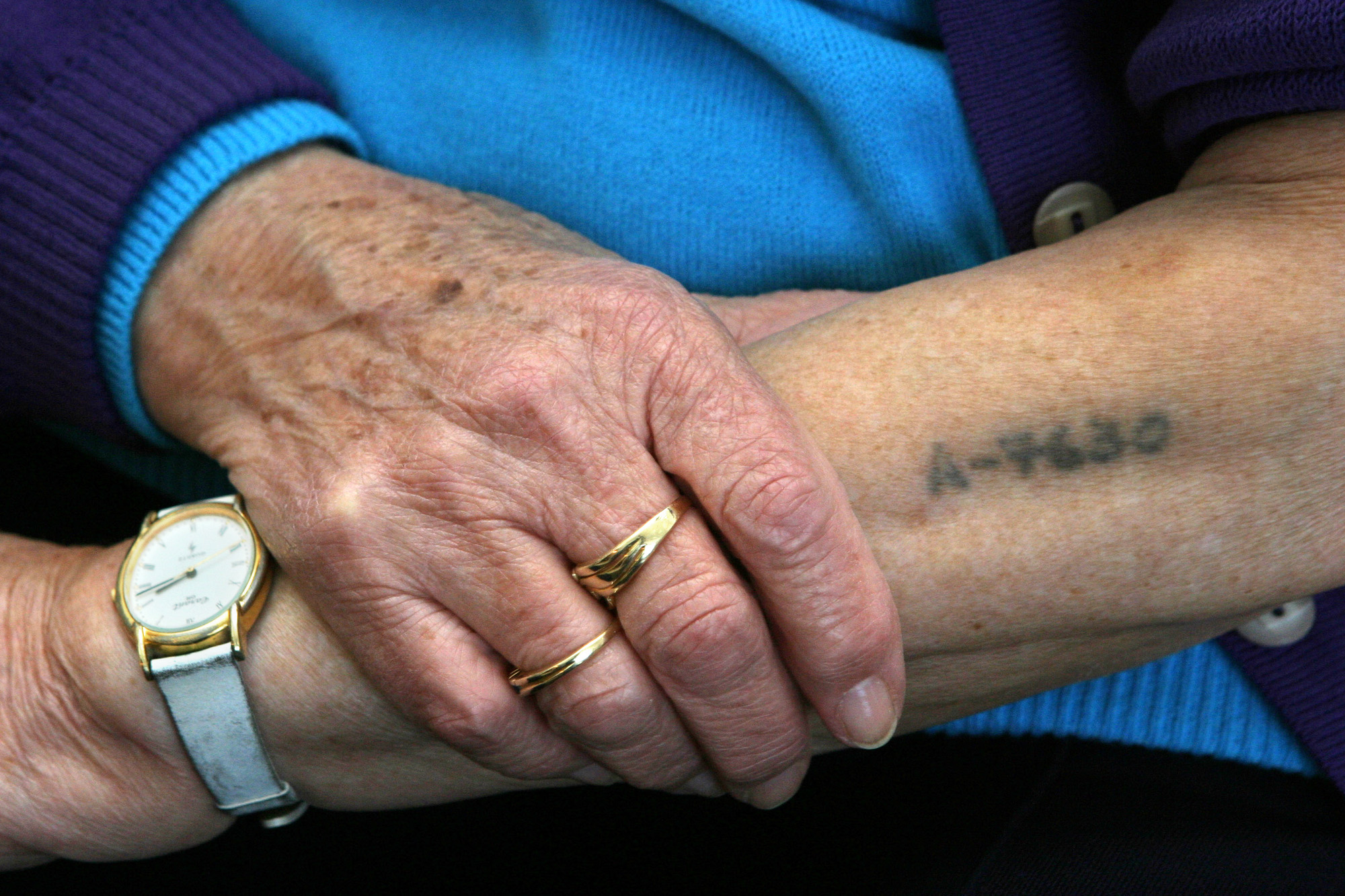
Bestselling 'Tattooist of Auschwitz' love story blurs facts, experts
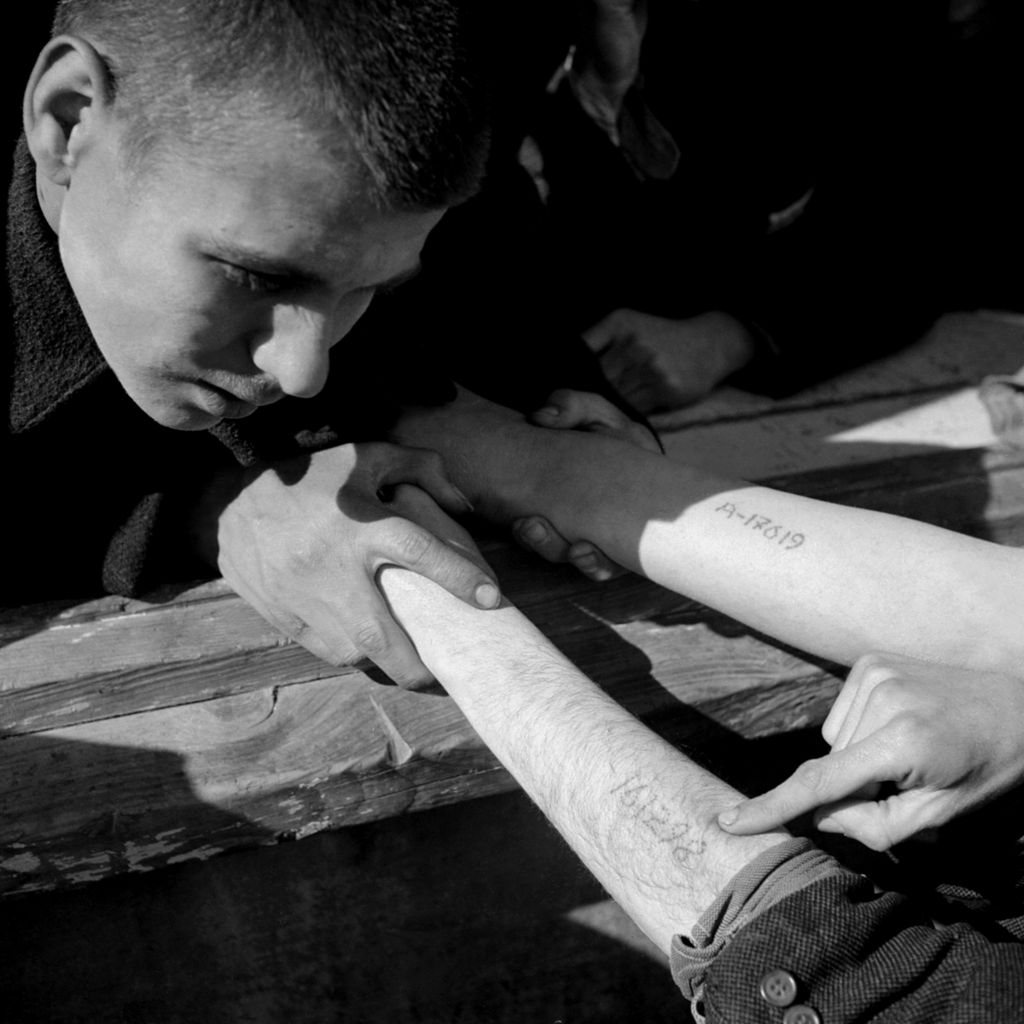
The Tattooist of Auschwitz and his secret love BBC News

Holocaust Tattoos by mora5061
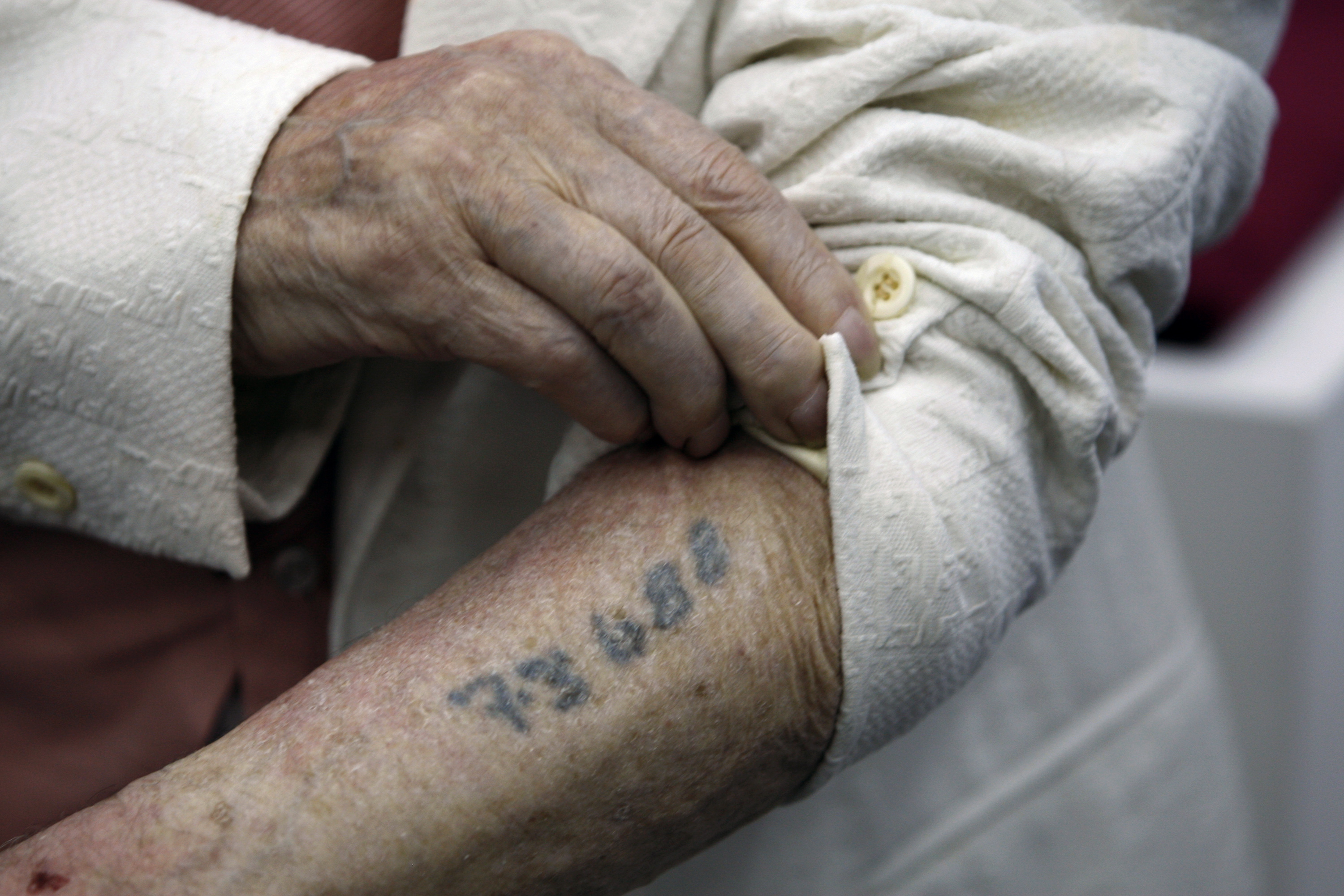
auschwitzsurvivorshowingidentificationtattoo Remembering the
The Biggest Problem With Using Tattoos As Remembrance Is That The Vast Majority Of Holocaust Victims Were Never Tattooed;
As The Holocaust Passes Out Of Living Memory, Replicating An Auschwitz Tattoo Becomes An Ever More Potent Gesture About Embodied Memorialisation And, Crucially, Familial Ties And Love.
The Book Tells The Story Of How Slovakian Jew Lale Sokolov, Who Was Imprisoned At Auschwitz.
Occasionally, A Survivor Might Roll Up Their Sleeve And Show Visitors Their Permanent Mark:
Related Post: